sethsnll666.vantagequill.com

Peptide Storage Space & Stability: A Conclusive Overview

s

@sethsnll666

September 23, 2026 · 3 min read
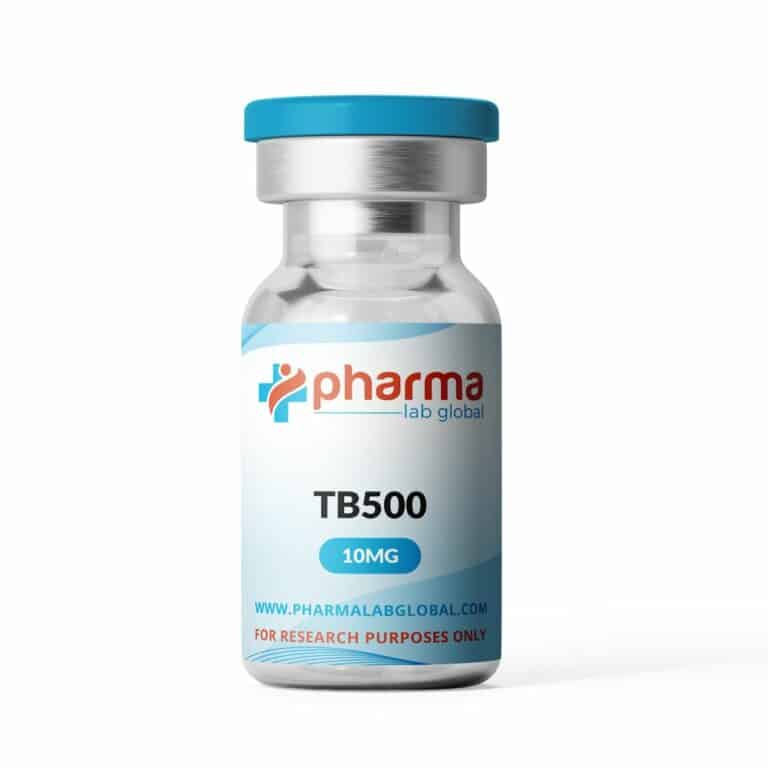
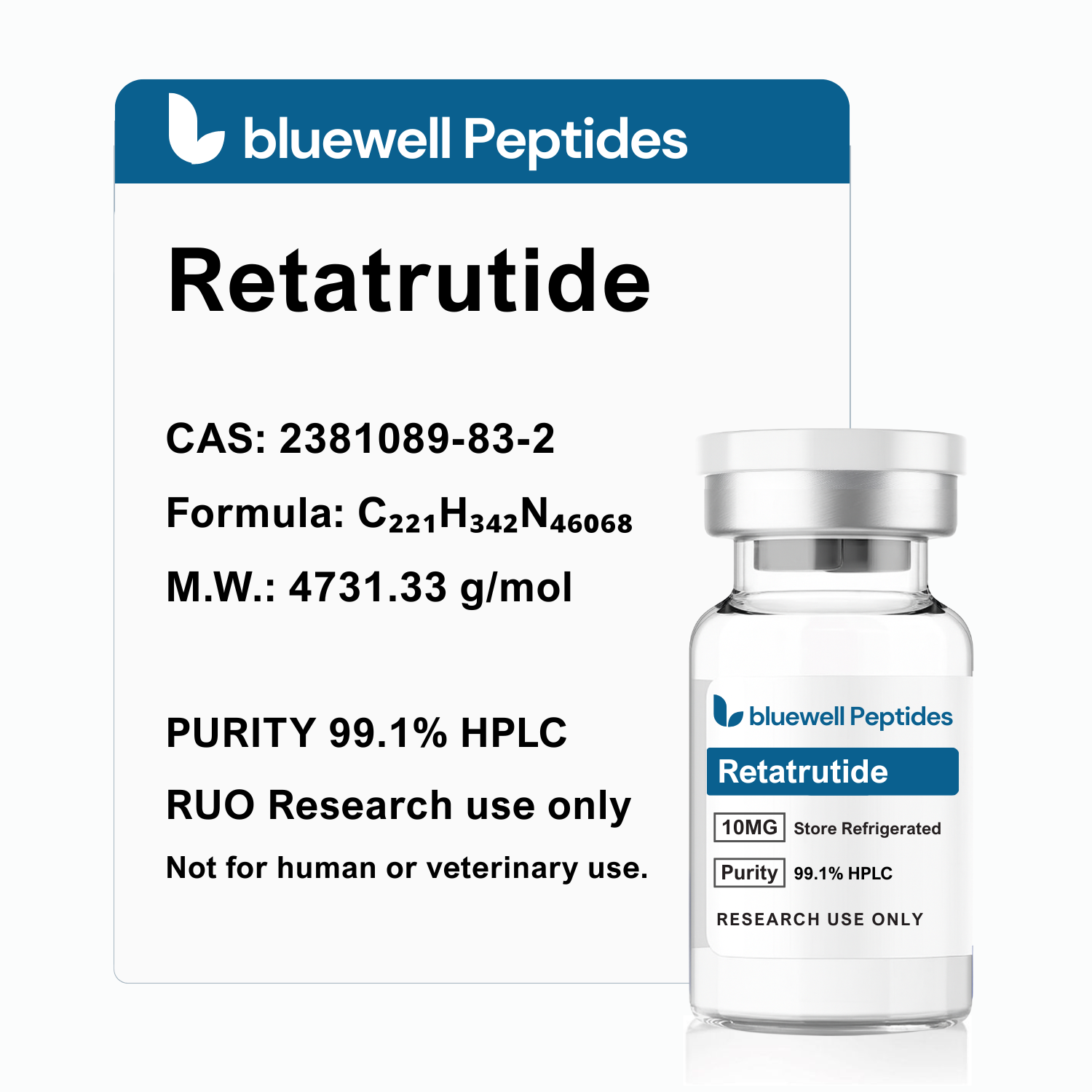
Handling, Storing, And Taking A Trip With Injectable Peptides: A Comprehen After reconstitution, as a result of the absence of chemicals, remedies must preferably be utilized within a short duration, typically within 24 to 72 hours under regulated problems, and saved at 2 to 8 ° C. Always inspect your reconstituted peptide prior to each usage. A properly stored solution must remain crystal clear and colorless. When flying, pack your peptides in a carry-on bag to prevent direct exposure to severe temperature levels in examined baggage. Peptides are allowed both carry-on and examined bags once appropriately screened. Utilize an insulated, freezer-safe luggage so you can refreeze ice bag throughout longer layovers utilizing airport terminal fridges Peptide Works IGF-1 LR3 freezer or landed ice. These molecules are inherently delicate and can break down if exposed to suboptimal conditions. As a matter of fact, a lot of therapeutic peptides need a cold-chain throughout storage and transportation due to their instability in warmer environments. Also as powders, peptides can undertake chemical changes (deamidation, oxidation, etc) or physical aggregation if revealed to warmth, humidity, or oxygen.

What negates peptides?

Salicylic acid''s scrubing activity might destabilize the peptides, lessening their skin-repairing benefits. Recommendation: To prevent any kind of communication, usage salicylic acid and peptide products at various times. For example, include salicylic acid in your early morning routine and peptides in your night regimen.

For How Long Do Reconstituted Peptides Last In The Fridge?

This means that maintaining reduced and constant humidity is vital for long-lasting stability. Inappropriate storage space-- such as direct exposure to heat, moisture, or light-- can result in oxidation, deamidation, or aggregation, eventually jeopardizing peptide stability and task [1] For researchers and distributors alike, appropriate peptide storage is necessary to maintain potency and make sure reproducibility in experiments or healing usage. Lyophilized peptides are very delicate molecules whose honesty depends upon exact storage space conditions. While freeze-drying extends service life by removing water, peptides continue to be chemically and physically at risk. Appropriate storage is essential for preserving peptide integrity and making certain trustworthy research study results.

Indicators Of Peptide Deterioration

  • Protein folding is a spontaneous procedure due to the fact that the Gibbs complimentary energy is negative.
  • Peptides are a lot more forgiving than the internet wants you to believe.
  • Match barrier option to peptide needs and desired storage period.
  • Temporary storage space at fridge temperature levels (2-8 ° C )helps periods as much as months.
  • Some peptides can be integrated securely, while others have security or compatibility concerns when mixed.
If a peptide consistently falls short to dissolve in conventional bacteriostatic water, pH change can resolve the issue. Study peptide vials usually sustain several withdrawals. A lot of rubber stoppers tolerate around 10 leaks prior to seal honesty comes to be questionable. Some efficiency peptides degrade quickly at fridge temperatures and require freezer storage space even after reconstitution. If your peptide forms a gel-like mass instead of liquifying, the concentration may be too high. Including even more water lowers the focus and commonly solves the issue. This is why starting with a reduced concentration target gives versatility.